Fridge and Appliance Removal: Smart, Safe, and Sustainable Solutions
Fridge and appliance removal is more than hauling heavy items to the curb. Whether you're renovating a kitchen, replacing aging appliances, or clearing out a rental property, proper removal preserves safety, protects the environment, and often saves time and money. This article covers what to expect, sustainable disposal options, safety tips, regulations, and how to choose the right removal approach for refrigerators and other household appliances.
Why Proper Fridge and Appliance Removal Matters
Most modern appliances contain components that require cautious handling. Refrigerators have refrigerants and oils that can harm the environment if released. Other appliances may contain heavy metals, electronic components, or parts that need special recycling. Choosing proper disposal methods helps prevent pollution, reduces landfill waste, and often recovers valuable materials.
- Environmental protection: Correct extraction and recycling of refrigerants and electronics reduce greenhouse gases and toxic waste.
- Safety: Heavy appliances can cause injuries or property damage if mishandled. Proper removal avoids accidents.
- Legal compliance: Many jurisdictions restrict how foams, refrigerants, and electronics are disposed of. Following rules avoids fines.
- Resource recovery: Metals and plastics in appliances are reusable when processed through certified recycling channels.
Common Fridge and Appliance Removal Services
Different removal services cater to distinct needs. Understanding options helps you pick the most efficient and responsible choice.
Donation and Reuse Programs
Donating working appliances is often the best first step. Many charities, community centers, and social service organizations accept refrigerators, stoves, washers, and dryers in working condition. Donation keeps still-functional units in circulation and supports households in need.
Professional Removal and Junk Hauling
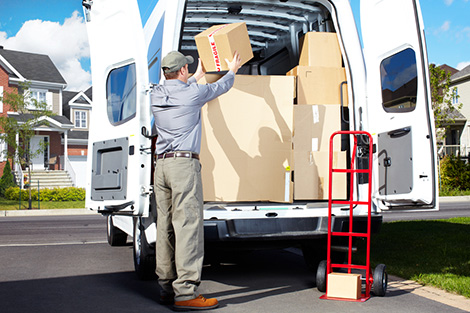
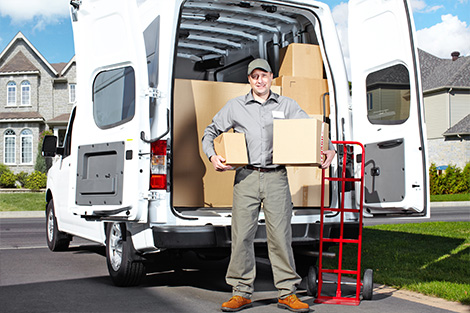
When appliances are nonfunctional or too heavy to move safely, professional junk removal services provide pickup, transport, and disposal. Many companies now offer eco-friendly disposal as part of their service, separating recyclables and arranging proper handling of hazardous components.
Certified Recycling and Disposal Facilities
Recycling centers and specialty waste facilities process appliances to recover metals and plastics, and to safely handle refrigerants and other hazardous substances. Look for facilities with certifications or memberships in relevant recycling networks.
Steps in the Fridge and Appliance Removal Process
Understanding the usual process clarifies what to expect and how to prepare.
- Assessment: A technician or coordinator evaluates the appliance condition, dimensions, and access. This determines equipment and crew size.
- Preparation: Disconnecting utilities like power and water is important. For fridges, thawing and cleaning might be required before transport.
- Safe removal: Moving heavy units requires dollies, straps, protective padding, and multiple handlers to prevent injury and avoid damage to floors and doorways.
- Transport: Appliances are loaded into trucks. Responsible providers sort items for donation, recycling, or disposal per regulations.
- Disposal and documentation: Proper facilities handle refrigerant recovery, electronic recycling, and material separation. Some services provide documentation of disposal for landlords or property managers.
Legal and Environmental Considerations
Regulations vary by region but commonly cover the handling of ozone-depleting substances and electronic waste. Refrigerants such as CFCs and HFCs must be recovered by certified technicians. Electronic components and PCBs require special disposal. Disposing of appliances in unauthorized landfills can attract penalties and harm local ecosystems.
Tip: When researching removal options, confirm whether the provider follows local environmental laws and whether they use certified refrigerant recovery equipment.
Preparing Appliances for Removal
Preparing your appliances streamlines the process and reduces risk of damage. Here are practical steps to take before the removal crew arrives:
- Empty contents: Remove food, shelves, and loose items from refrigerators and freezers.
- Unplug and disconnect: Turn off power and, if applicable, disconnect water lines for ice makers and dishwashers.
- Defrost fridges and freezers: If possible, defrost 24 hours in advance to avoid water leaks.
- Protect floors and doorways: Lay down protective runners or cardboard to prevent scratches.
- Measure access routes: Confirm that doors, stairwells, and elevators can accommodate the appliance dimensions.
What to Expect from a Responsible Removal Service
High-quality removal services share common traits. Look for companies that emphasize safety, transparency, and sustainability.
- Clear pricing: Estimates that include labor, disposal fees, and any environmental surcharges.
- Trained staff: Crew members with experience handling heavy appliances and hazardous materials.
- Recycling commitments: Partnerships with certified recyclers and donation networks.
- Insurance and liability coverage: Protection for property damage or in-transit incidents.
Costs and Pricing Factors
Prices for fridge and appliance removal depend on several variables:
- Size and weight: Large commercial refrigerators and compact units incur different costs.
- Accessibility: Long carries, stairs, narrow hallways, or complex removals may increase labor time.
- Disposal method: Donation and recycling may cost less than landfill fees, but certified refrigerant removal can add to the total.
- Location: Regional disposal regulations and local landfill fees influence pricing.
Requesting multiple estimates and asking for detailed breakdowns helps identify the best value for your needs.
Alternatives to Disposal
Before choosing disposal, consider alternatives that reduce waste and provide community benefits.
- Resell: If the appliance functions, resale through online marketplaces can put money back in your pocket.
- Donate: Charities and social enterprises may pick up usable appliances for families in need.
- Parts harvesting: Some technicians buy broken appliances to salvage working components, extending useful life and reducing waste.
Safety Best Practices
Handling appliances poses risks. Follow these best practices to protect yourself and your property:
- Use proper lifting techniques: Bend at the knees, keep the load close, and never twist while lifting.
- Employ equipment: Use appliance dollies, straps, and ramps for safer movement.
- Wear protective gear: Gloves, steel-toed shoes, and eye protection help prevent injuries.
- Secure doors and cords: Tape doors shut and tie up cords to prevent tripping hazards.
Conclusion: Responsible Choices Make a Difference
Fridge and appliance removal is an important household task that requires attention to safety, environmental responsibility, and legal compliance. Whether you choose to donate, recycle, resell, or use a professional removal service, taking the right steps ensures hazardous materials are handled correctly and valuable resources are recovered. By preparing appliances ahead of time, selecting reputable services, and prioritizing sustainable disposal, you contribute to a cleaner environment and a safer home.
Remember: Thoughtful removal decisions keep communities healthy, reduce landfill strain, and often save money in the long run. Evaluate options, compare services, and opt for responsible solutions when disposing of fridges and household appliances.